
Federal Circuit Rejects Volkswagen’s Mandamus Petition Challenging Congress’ Delegation of Discretionary Denial Authority to the Director of the USPTO
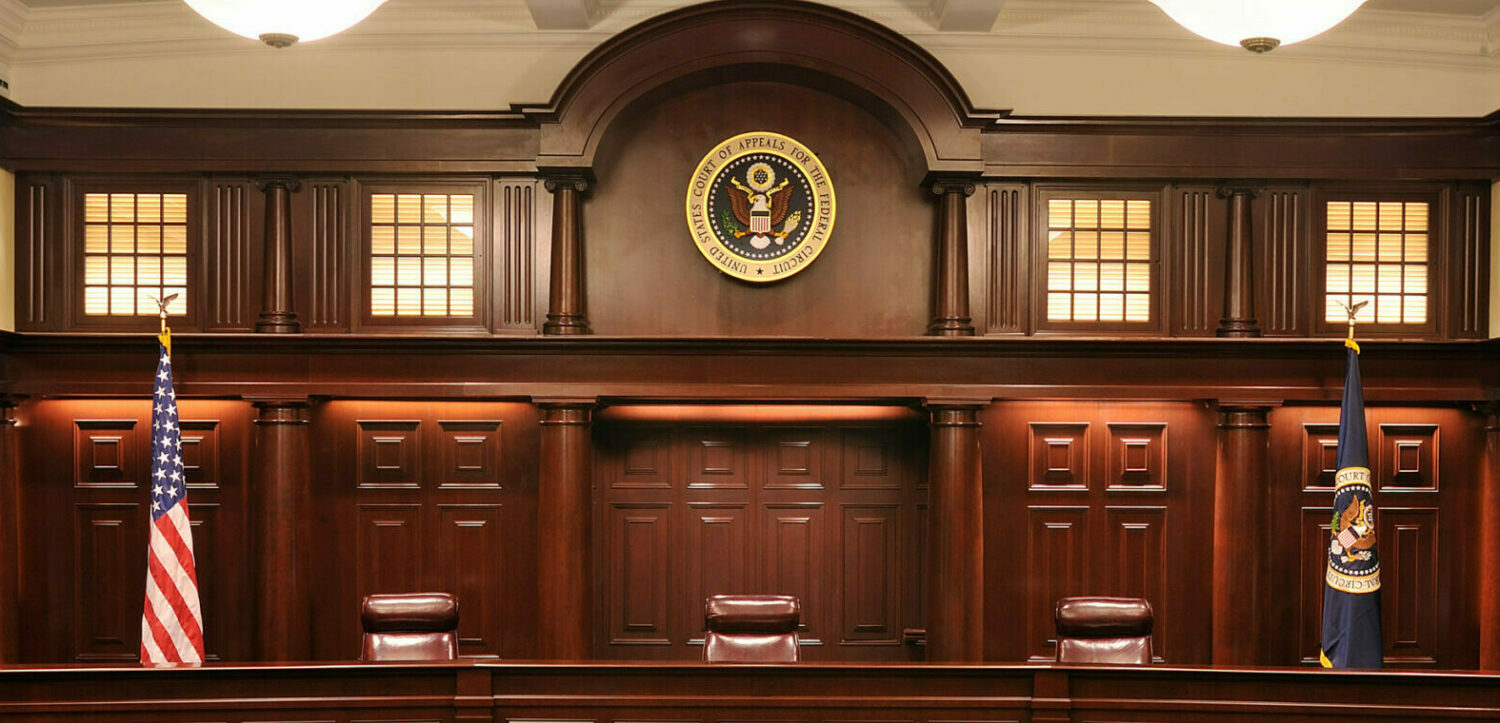
In a nonprecedential opinion issued on March 19, 2026, the Federal Circuit rejected Volkswagen’s petition for a writ of mandamus in which Volkswagen argued that Congress violated the nondelegation doctrine by giving the Director of the Patent and Trademark Office (“PTO”) the power to adjudicate disputes about patent validity and the unbounded discretion to deny institution of IPRs.
Institution of IPRs is not a Legislative Power
The Court explained that while Congress committed the decision to deny institution of an IPR to the Director’s discretion, the Director’s exercise of that discretion is not a legislative power. The Court analogized the Director’s authority to decide whether to institute an IPR to a prosecutor’s authority to decide whether to indict, a decision that has historically been seen as an Executive Branch power. See opinion at 3.
Volkswagen argued that pursuant to Jarkesy v. SEC, 34 F.4th 446 (5th Cir. 2022), aff’d on other grounds, 603 U.S. 109 (2024), giving the Director the authority to decide whether to institute an IPR was a delegation of legislative power. The Federal Circuit disagreed. As the Federal Circuit explained, Jarkesy addressed the Securities and Exchange Commission’s (“SEC”) authority to bring enforcement proceedings within either the agency or in an Article III court with a jury trial. Jarkesy concluded that the delegation of such authority to the SEC was unconstitutional because Congress did not provide an intelligible principle to guide the agency’s decision about which defendants would receive the right to a jury trial. The Federal Circuit distinguished Jarkesy, reasoning that although Jarkesy implicated the legal right to a jury, no such legal right is implicated when the Director decides whether to institute an IPR. Instead, the Director merely decides whether to take a second look at an earlier grant of a patent, and if the Director declines such a second look, it has no legal effect on the underlying patent rights and obligations and leaves the petitioner’s patent challenger’s actual legal rights and obligations unchanged. See opinion at 4.
Takeaway
This case continues the Federal Circuit’s consistent affirmation of the Director’s seemingly unlimited authority with respect to discretionary denials. See In re Google LLC (rejecting challenge to PTO’s settled expectations doctrine), In re Kahoot (same), In re Tessel (rejecting challenge to PTO’s use of assignor estoppel to deny institution), and Apple et. al. (rejecting challenge to PTO’s Fintiv framework for discretionary denials). It therefore seems increasingly unlikely that the Federal Circuit will curtail the Director’s discretionary denial authority.